

By Joe Rantino, 14/06/2026
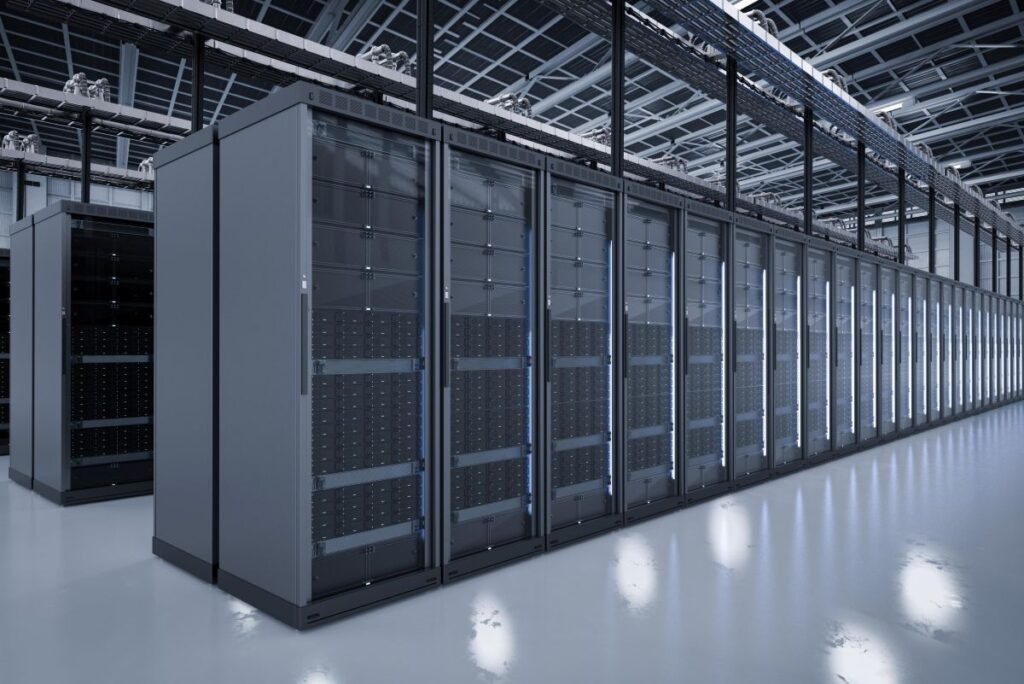
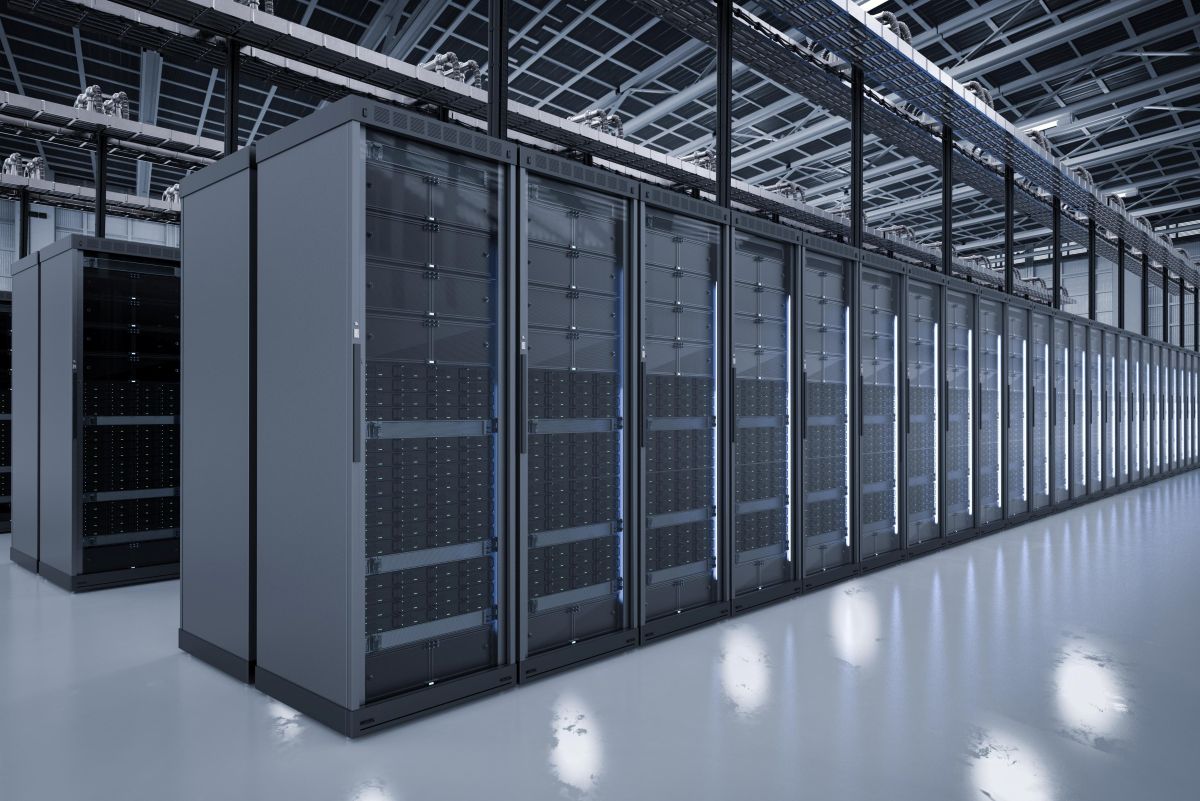
Data centres store and process digital information – information used by services such as banking, government systems, streaming services, and business operations.
In Ryde, particularly around Macquarie Park, several data facilities already operate, with additional proposals currently open for consideration.
The growing number of data centres in Ryde has led to concerns about how these facilities interact with local water systems, including the amount of water used to keep equipment cool and running safely.
How do data centres impact water supply and quality?
Data centres are designed to operate continuously, so they must guard against overheating around the clock.
Water may be used to absorb heat, to help regulate internal temperatures.
Depending on the design, the water may be:
- Used once and replaced
- Reused in a loop system
- Supplied through treated recycled water systems
Some water is not returned to the system, particularly where evaporation occurs in cooling processes.
This is why total demand can be significant even if water is not ‘consumed’ in the same way as household use.
Sydney Water has noted that large data centres can have high and continuous water needs depending on their design and size, especially when multiple facilities are located in the same area.
Drought and super El Niño conditions
Australia’s water systems are strongly influenced by changes in weather patterns.
During drought years, dam levels and catchment inflows can reduce significantly, limiting available supply.
El Niño events, including stronger ‘super El Niño’ conditions, are often associated with hotter and drier weather in eastern Australia. During these times, household water use often rises while the available supply decreases.
Data centres operate continuously, regardless of weather conditions. This means their water demand remains steady even when supply is under pressure.
This is one reason why they are included in long-term water planning discussions by utilities and government agencies.
Data centre proposals for Ryde
The Ryde area has become a major hub for digital infrastructure, due to its proximity to existing power, transport, and telecommunications networks.
The following key data centre proposals and projects affect the region.
6–8 Julius Avenue, North Ryde
This site has been proposed as a large-scale data centre development, reportedly valued at around AU$1.8 billion with a planned capacity of approximately 170 megawatts. The design includes multiple data halls, an electricity switching station, and backup generators.
Public debate around the project has included environmental concerns, particularly the removal of more than 500 trees and its proximity to environmentally sensitive bushland linked to the Sydney Coastal Enriched Sandstone Forest near Lane Cove National Park.
1–5 Khartoum Road, Macquarie Park
This proposal by Stockland covers a multi-storey data centre with multiple internal data halls and a floor area of approximately 19,000 square metres.
The site forms part of the broader Macquarie Park Innovation District, where commercial and technology infrastructure is expanding.
Project Apollo
Project Apollo is a State Significant Development proposal by Goodman for a large-scale data centre within Macquarie Park. It is designed to support increased digital and cloud computing demand across the region.
Talavera Road Data Centre Campus
The Talavera Road area already contains operational data centres, with additional expansion applications lodged or approved by operators such as AirTrunk and NEXTDC.
This corridor represents one of the highest concentrations of digital infrastructure in the region.
Why are there so many proposals for Ryde?
Macquarie Park and surrounding Ryde areas are strategically located close to Sydney’s existing power supply, communication networks, and major road infrastructure. These factors make the area attractive for data infrastructure development.
Another key factor is classification. Many of these projects are considered State Significant Developments, meaning they are assessed by the NSW Government rather than the local council.
Because of this, the City of Ryde Council does not have final decision-making authority over approval. However, the council and community groups have raised concerns publicly, including calling for a pause on new approvals. These concerns often relate to cumulative impacts on electricity demand, water use, and the reduction of local green space.
Signs there may be pressure on water systems
While data centres do not directly damage water quality in most cases, the following impacts are common:
- Increased shortages and restrictions during dry periods
- Higher demand in areas of concentrated data centres
- Greater reliance on recycled or alternative water sources
These signs are typically assessed at a system level rather than linked to a single building.
The growth of data centres in Ryde reflects the increasing demand for digital services, but it also raises important planning considerations around water supply, especially during periods of extreme weather.
Members of the public can review current and past project applications – including environmental assessments – and lodge submissions during consultation periods, through the NSW Planning Portal.
Homeowners can also take control of water resilience at the property level.
Options such as household water storage systems, rainwater tanks, and efficient plumbing fixtures may help reduce reliance on mains supply during peak demand periods.
Contact us today to assess your options.