
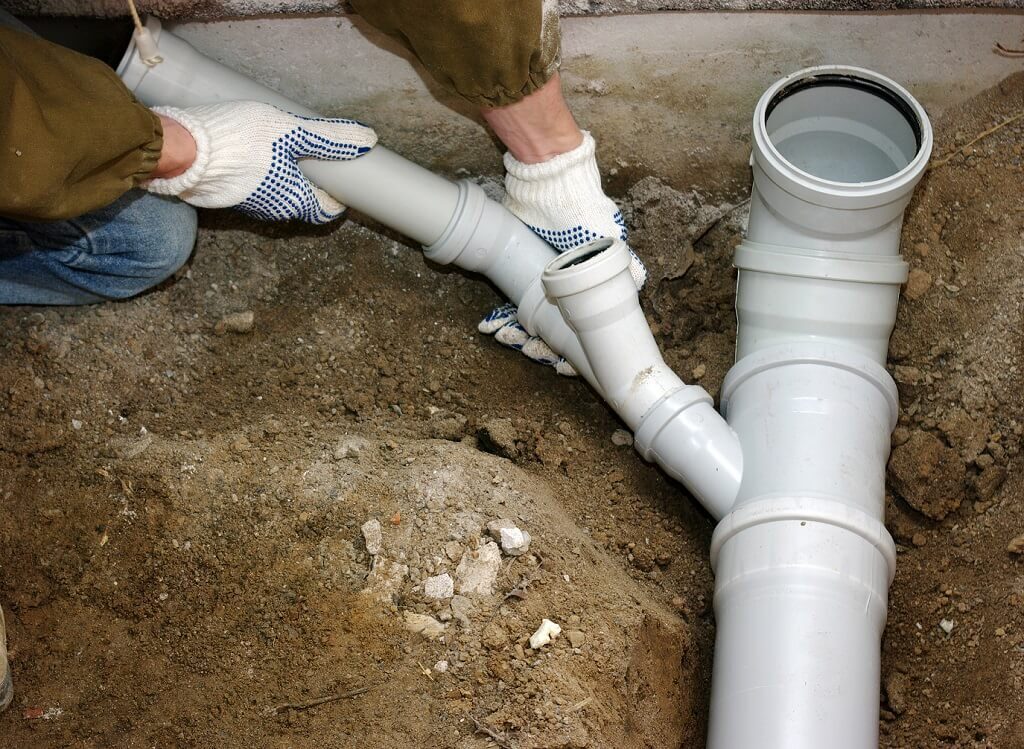
Sydney homeowners and renovators, do you know what drainage fall ratio is and how to calculate it? Don’t jump into a bathroom renovation or fix your drainage system without an expert!
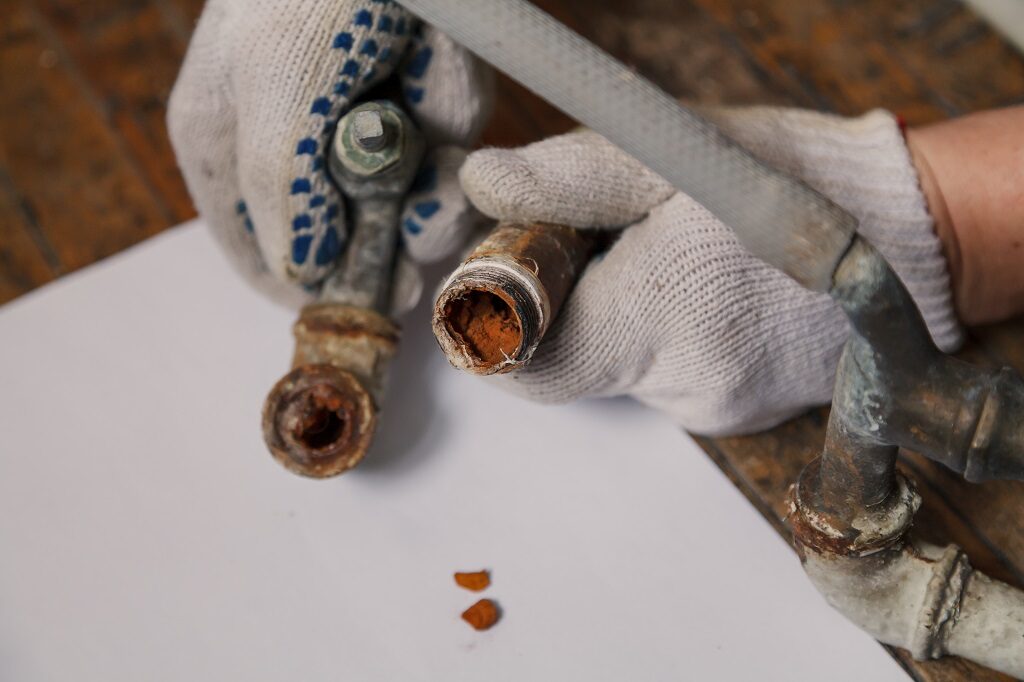
Tips from the expert: After over 20 years of doing Sydney’s plumbing, I’ve seen all kinds of shoddy plumbing. Trust me, work done by a DIYer, handyman or unlicensed plumber will end up costing you a lot more time, money and stress. My best advice is to hire a trained and licensed plumber so that drainage fall ratio can be calculated and drains installed correctly and safely according to local regulations. I have seen every kind of plumbing problem – and a waste water problem is one that you just don’t want to see.
The Importance of Correct Drainage Fall Ratio
Drainage fall ratio is a term used to calculate the gradient in which a drain pipe must be installed to ensure waste can flow away easily from the home. It’s a term and calculation a plumber will use every day when installing drainage to a home.
To calculate drainage fall ratio, you need to understand a few things.
Why Proper Drainage Fall Ratios Are Crucial for Sydney Properties
Ensuring the correct drainage fall ratio is essential for every property in Sydney, whether it’s a residential home, commercial building, or renovation project. The drainage fall ratio determines the slope of your pipes, allowing wastewater and stormwater to flow efficiently towards the main sewer or stormwater outlet. Incorrect slopes can lead to blockages, slow drainage, unpleasant odours and even structural water damage over time.
Most standard residential pipes in Sydney require a slope between 1:40 (2.5%) for smaller pipes and up to 1:80 (1.25%) for larger pipes, depending on diameter and fixture type. For example, a 100mm pipe might need a fall of 2.5mm per 100mm length to maintain proper flow. Calculating this accurately involves measuring the total pipe run and adjusting the vertical drop accordingly.
While DIY attempts are possible, hiring a licensed Sydney plumber ensure that your drainage system complies with the local standards, including the National Construction Code (NCC) and AS/NSZ 3500.3:2018. Professional installation not only guarantees proper drainage but also prevents costly repairs in the future. Using precise calculations, quality materials and expert techniques, a certified plumber can protect your property from water damage while keeping your system efficient and long-lasting.
What is Drainage Fall Ratio?
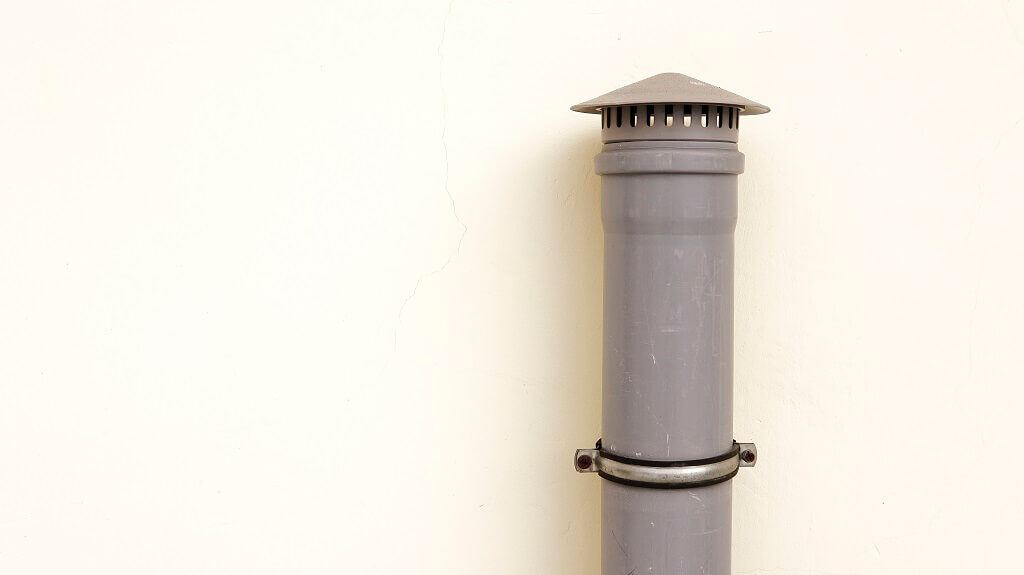
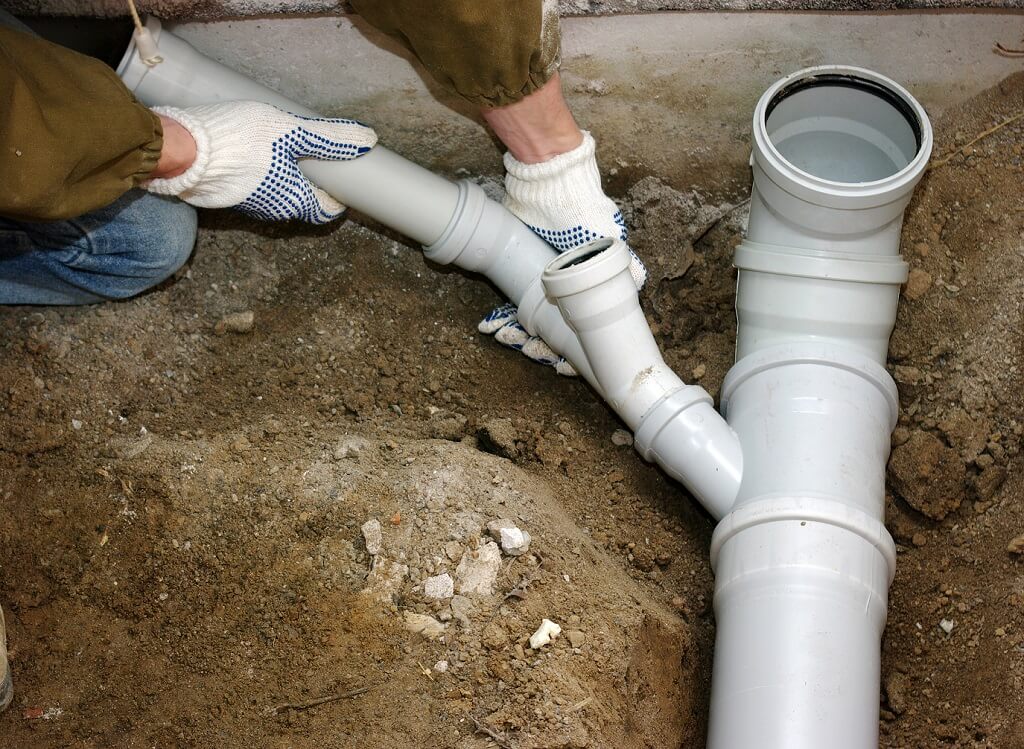
Drainage fall ratio is the slope in which a drain pipe needs to be laid to ensure adequate fall. Sewer pipes require a certain ratio of fall to ensure waste is able to travel away from the property to the sewer main. The ratio is dependent on the diameter of pipe and the length from where it connects to the fixture and to a connected point of discharge into the sewer.
How is Drainage Fall calculated?
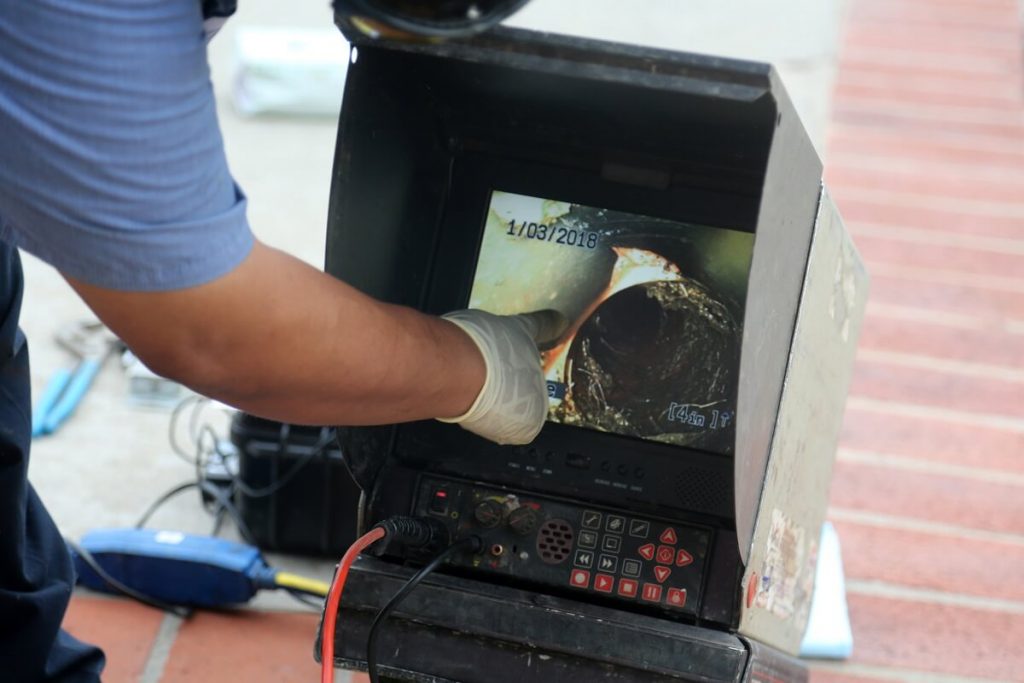
Plumbers are trained to calculate the drainage fall ratio when installing drainage to a home. Often a hydraulic consultant will calculate the ratio on a plan for a plumber to follow.
The minimum grade of fall for sewer pipes in Australia is 1.65% which equates to a ratio of 1:60. Most drainage pipes will be 100mm. If the diameter is smaller, the ratio will be different.
What happens if the wrong drainage fall ratio is calculated?
Plumbers will use levels to determine if the right fall has been achieved when installing drainage pipes. In some shires of Australia, a council inspection is warranted to ensure the right gradient has been installed.
If the wrong drainage fall ratio has been calculated and therefore installed to a property, there can be two problems.
- Not enough fall will mean waste won’t flush away as it should and can potentially cause constant blockages.
- Too much fall can cause siphonage and gurgling of pipes as waste water travels too quickly down the pipe.
How do you get the right gradient for your drainage?
To get the right gradient for drainage to your home, use a licensed plumber. This is what they have been trained in and have the knowledge on; not only how to calculate the gradient of fall correctly but install it to Australian standards.
Drainage which has been installed by an unlicensed person can incur fines, and should the work cause damage to your home, it will be a claim denied by insurance as they must abide by Australian laws.
If you are looking to add a new bathroom or install an additional toilet, drainage will be a major part of the renovation. Book a licensed plumbing professional and ensure your beautiful new bathroom renovation doesn’t cost you extra in the long term.