

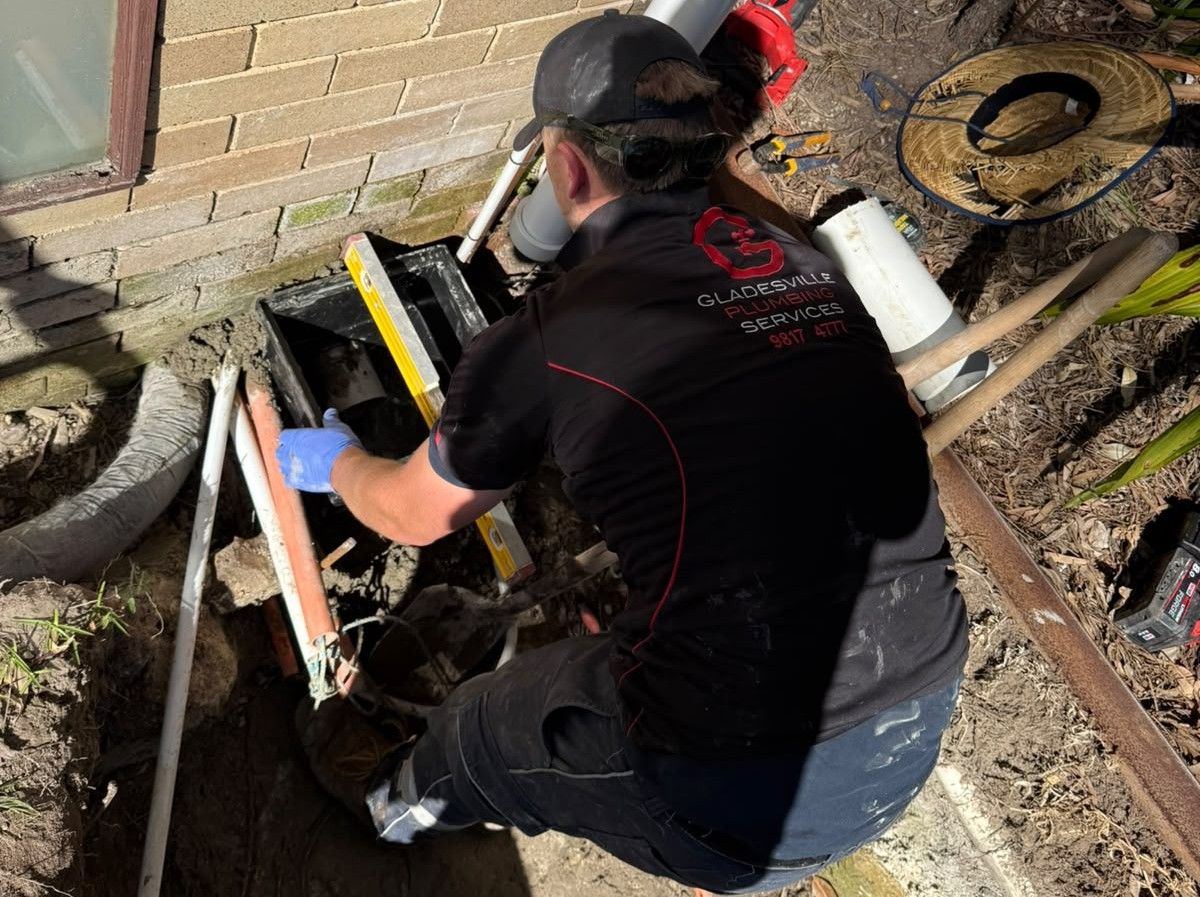
After more than 20 years of working in East Ryde, you start to pick up on things that aren’t in any plumbing manual. When you understand some of the history, like how the suburb was built and what the land was like before it was developed, you also understand why certain plumbing problems are common in the area.
Read on to learn about the plumbing problems I see most when attending homes in East Ryde.
Common East Ryde Plumbing Problems
East Ryde, situated 12 km northwest of the Sydney CBD, is a lovely, leafy suburb known for its family-friendly appeal. Here are the residential plumbing problems that most commonly impact homes here.
Old Underground Pipes
East Ryde began with the development of the Dress Circle Estate, a residential estate built way back in the 1960s. When I attend callouts in the area, many of these original homes still exist, often unrenovated and with their original plumbing, which is now well over sixty years old. Galvanised steel supply pipes and clay sewer lines were standard at that time, and neither was designed to last this long. Once the zinc coating on galvanised pipe wears through, you start to see issues like discoloured water, dropping pressure and pinhole leaks.
Soil Movement
Before East Ryde was developed as a residential estate, the ridge was a council rubbish tip. Landfill doesn’t settle like regular soil does and is prone to uneven compaction as rubbish breaks down at different rates. Over time, uneven settlement puts strain on a home’s underground plumbing infrastructure, which can lead to damage, particularly in old, deteriorating pipework.
But that’s not all. East Ryde sits on a ridge capped with Wianamatta shale over sandstone. As this shale weathers, it forms a heavy clay soil that expands when wet and compacts when dry. Combine this with ground that started life as tip fill and you get pipework that deals with more underground movement than in most other suburbs. Over time, pipes can sag, crack or collapse, and joints can become separated or misaligned.
Tree Root Intrusion
Parts of East Ryde back onto protected bushland, including the 50-hectare Field of Mars Reserve, which can make tree roots an issue for homes in nearby streets like Cressy Road and Moncrieff Drive.
When pipes are cracked or misaligned, thirsty tree roots can get in. Over time, the roots spread, causing slow drainage and eventually complete blockage. In particular, older, slow-leaking terracotta pipes attract tree roots, which can enter through tiny cracks and cause even more damage.
Joe’s Expert Plumbing Tip: If you have persistent and recurring drainage problems, tree root intrusion could be to blame. Arrange a CCTV drain inspection for a definitive diagnosis and a lasting solution.
Roof and Gutter Leaks
East Ryde is dotted with many established trees, adding to the suburb’s street appeal and liveability. However, these sloping properties with towering trees come with their own unique problems. Heavy leaf loads mean gutters are often full of organic matter, especially when no gutter guards have been installed. When regular roof maintenance is neglected, overflowing gutters rust away quicker, mould can grow around the eaves, and roof leaks can become a regular occurrence.
Joe’s Expert Plumbing Tip: Ignoring roof and gutter problems can lead to significant water damage to your property, so get the issue sorted ASAP.
Water Pressure Issues
Water pressure issues are common in East Ryde, and that’s largely because of the suburb’s elevated position on a ridge. Homes located at the highest points can experience low water pressure, while properties situated in lower-lying areas can experience pressure surges. These issues are further complicated in homes with older plumbing fixtures and valves that weren’t built to handle what’s coming through the system today. If you’ve ever heard a banging in the wall when a tap is turned off – aka water hammer – water pressure inconsistencies are usually to blame.
Joe’s Expert Plumbing Tip: Left untreated, water hammer can eventually lead to damaged piping and expensive repairs. Installing a pressure reduction valve will help resolve the water hammer by reducing high pressure and absorbing pressure change shock.
Drainage Problems
This part of Ryde falls within the Buffalo and Kittys Creek catchments, both of which drain into the Lane Cove River. The area has seen some serious flooding over the years, including a significant event in November 1984. However, many homes have stormwater drainage designed to handle 1960 rainfall patterns, so they struggle with the wild weather conditions of modern-day Sydney.
East Ryde homes built on sloping blocks can also be susceptible to rising damp, with poor drainage leading to groundwater moving upwards into the property’s walls. Signs of rising damp include tide marks, salt efflorescence, and peeling paint on ground-level walls.
If you’ve noticed any of these signs, or your backyard becomes a paddle pool after a Sydney storm, arranging an audit of your property’s stormwater drainage is recommended. Sometimes simple repairs or upgrades are all that’s needed to improve your home’s resilience during heavy rain.
Joe’s Expert Plumbing Tip: East Ryde residents often experience rising damp issues stemming from poor drainage around the home. It is really important to have your drainage sorted to avoid costly structural damage to your home in the long term.
Get Ahead of East Ryde Plumbing Problems
I’ve been doing this long enough to know that most plumbing problems in East Ryde don’t come out of nowhere. They’re usually the result of what is happening underground, slowly, over many years. If you haven’t had your plumbing checked in a while, now is the time to just call Joe!
Get in touch with Gladesville Plumbing for a thorough assessment.