

If you live in a leafy, established Sydney suburb with mature trees and ageing terracotta drainage, there is an interesting bit of soil science worth knowing about. It’s called matric suction.
This strangely named phenomenon helps explain how water moves through soil, and why moisture, tree roots and old pipes can be an expensive combination for Sydney homeowners.
What is matric suction?
Matric suction (also known as soil moisture tension or negative pore-water pressure) describes the attraction that holds water within the tiny pores and against the surfaces of soil particles. When soil becomes drier, the remaining water is held more tightly.
Plants add another force to the equation. As their roots take up water, they remove moisture from the surrounding soil. In their search for hydration, roots naturally grow towards favourable sources of moisture and nutrients.
It is a perfectly normal process – until deteriorating clay pipes (commonly seen in ageing plumbing in Drummoyne homes) attract tree roots seeking out moisture.
The olla: when matric suction is a good thing
Humans have actually taken advantage of the principles of matric suction for centuries.
For example, an olla watering system uses an unglazed, porous clay vessel buried in the ground. The olla is filled with water and moisture gradually passes through its porous walls into the drier surrounding soil.
Versions of these clay irrigation vessels have been used for more than 4,000 years.
In the garden, that controlled movement of water through porous clay is ingenious. An ageing terracotta drain, however, is a very different story…
Why terracotta pipes and tree roots don’t mix
Older terracotta pipes in Sydney were originally glazed to prevent matric suction, but over time, they deteriorate, eventually cracking and crumbling. Seals at pipe joints can also fail. Once a pipe has lost some of its glaze, or has a crack, gap or leaking joint, moisture can escape into the surrounding soil.
When pipes are intact, undamaged and gap-free, tree roots aren’t a problem. But when clay pipes are old and damaged, thirsty roots will exploit faults and leaks, entering tiny cracks in search of water. Once inside, they continue growing, which leads to restricted wastewater flow, recurring blocked drains and further damage to pipes.
Is your Sydney home at risk?
Matric suction itself isn’t the enemy. But deteriorating terracotta pipes and tree roots absolutely can be.
If you own an older home in an established, tree-lined Sydney suburb, it’s possible that part of your plumbing system is made up of original terracotta pipes. Plumbing in East Ryde, for example, is known for old pipes, deteriorating joints and tree-root intrusion.
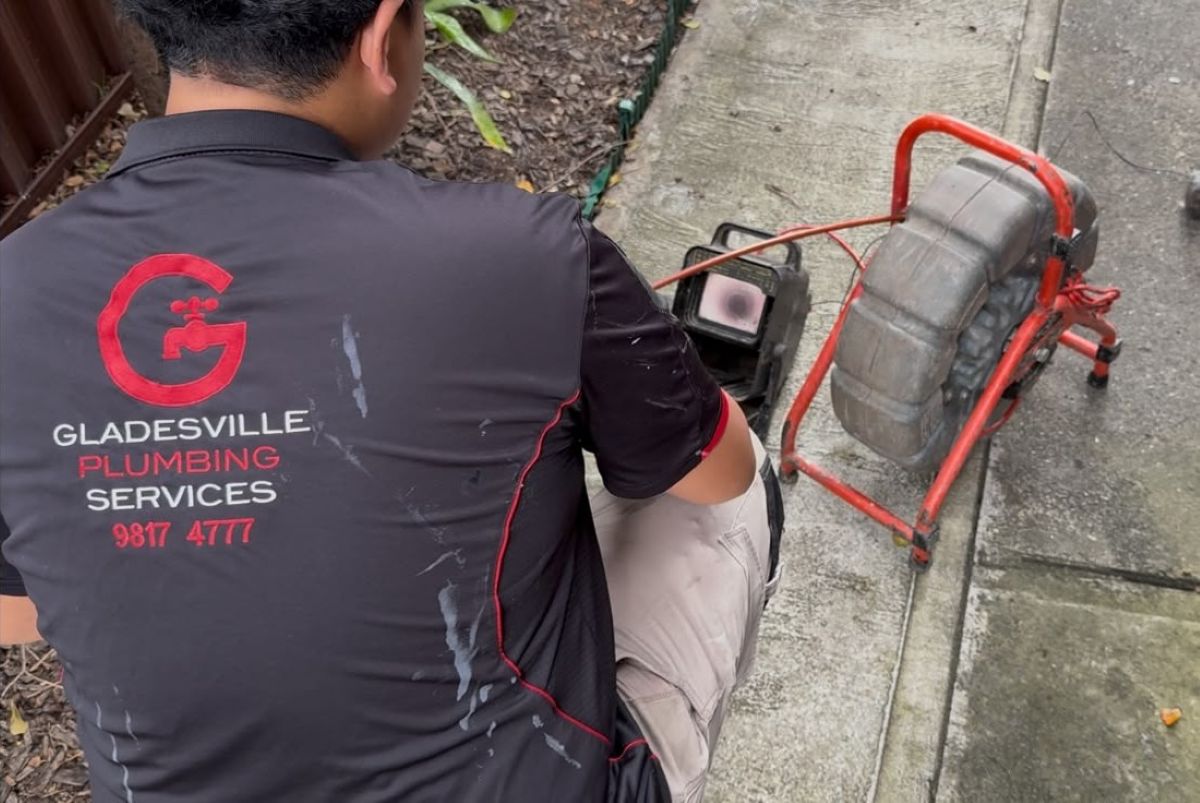
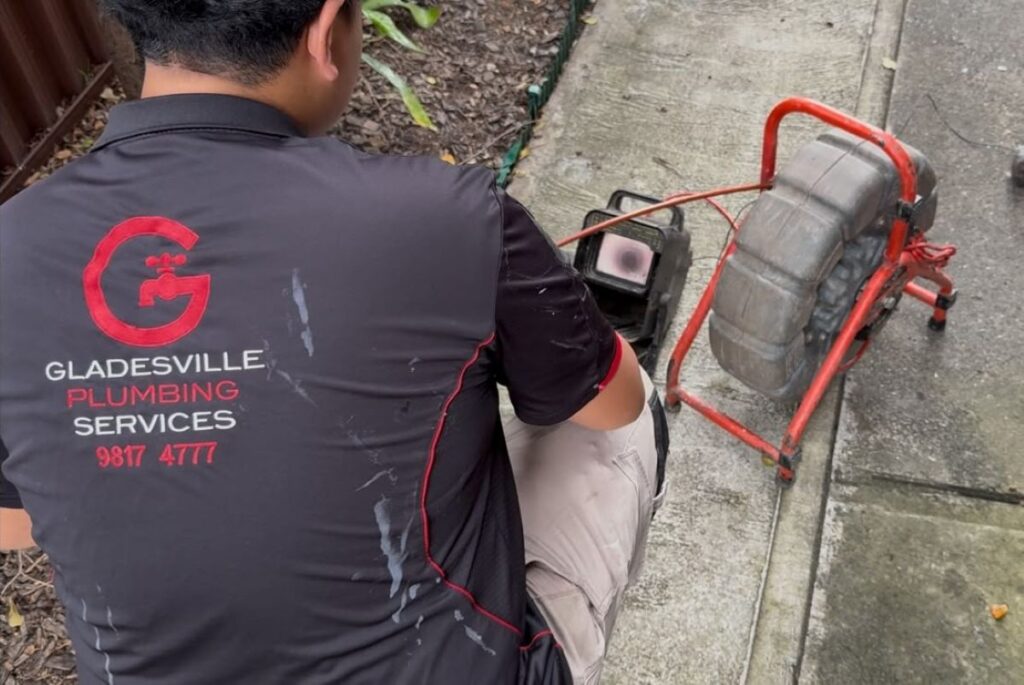
If you’re experiencing repeated blocked drains, slow drainage, or other signs of an underground plumbing problem, call in a licensed plumber ASAP. A thorough CCTV drain inspection is the key to an accurate diagnosis and a lasting solution.
Depending on the condition of the line, options include clearing roots, relining damaged pipes, or replacing deteriorated sections with modern pipework.
Act Early and Avoid Bigger Plumbing Problems
Are you experiencing slow drainage or repeated blocked drains? Contact Gladesville Plumbing today. We’ve done more than 13,000 local plumbing jobs over the years, so we know how to help!